Useful Links
Contact Us
For information, additional information on the program:
Tel.: +227 20 31 50 14 / 69 89 79 81
E-mail : drp-cce@wascal-ne.org
B.P: 10662 FAST Niamey

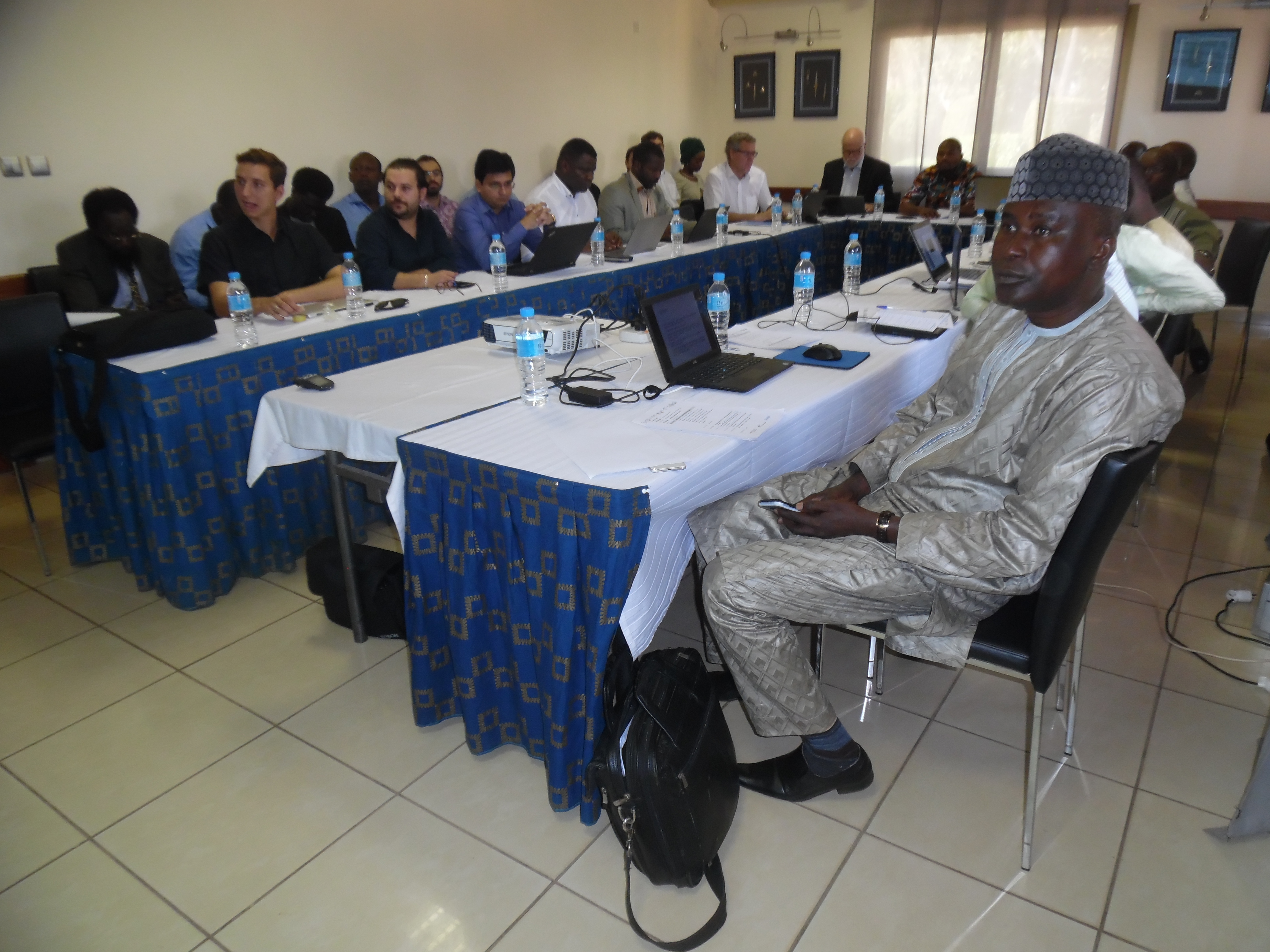
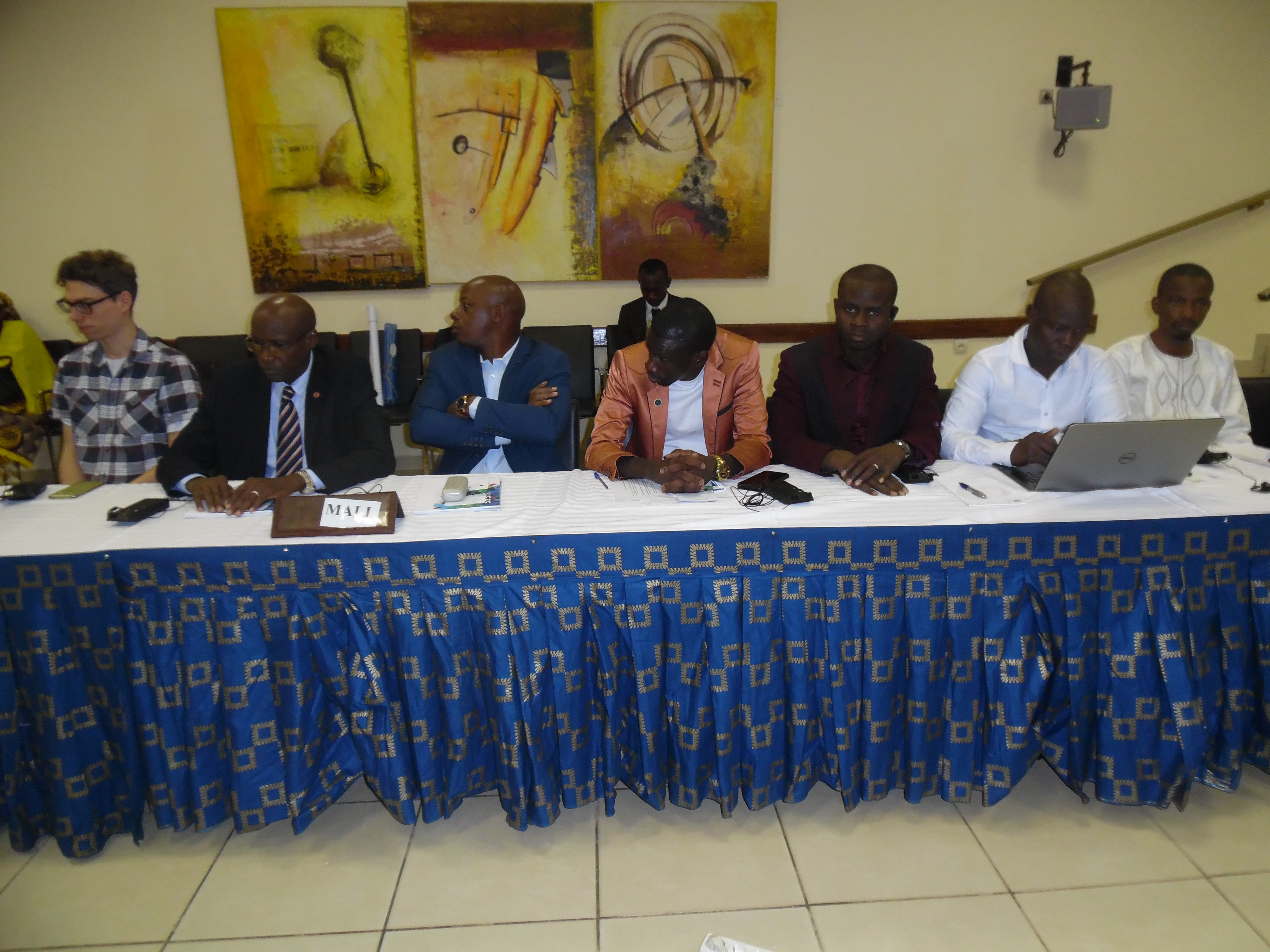
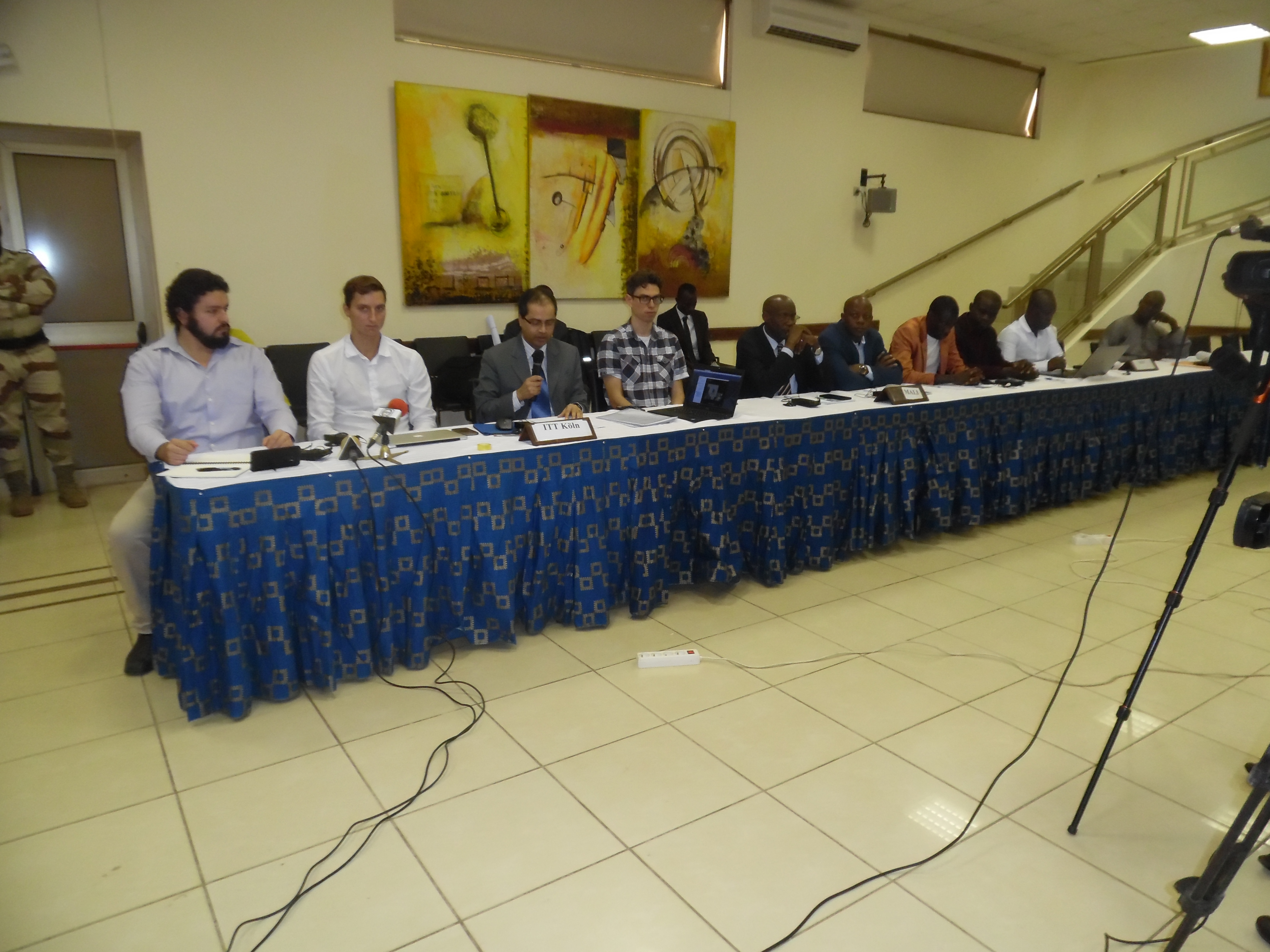
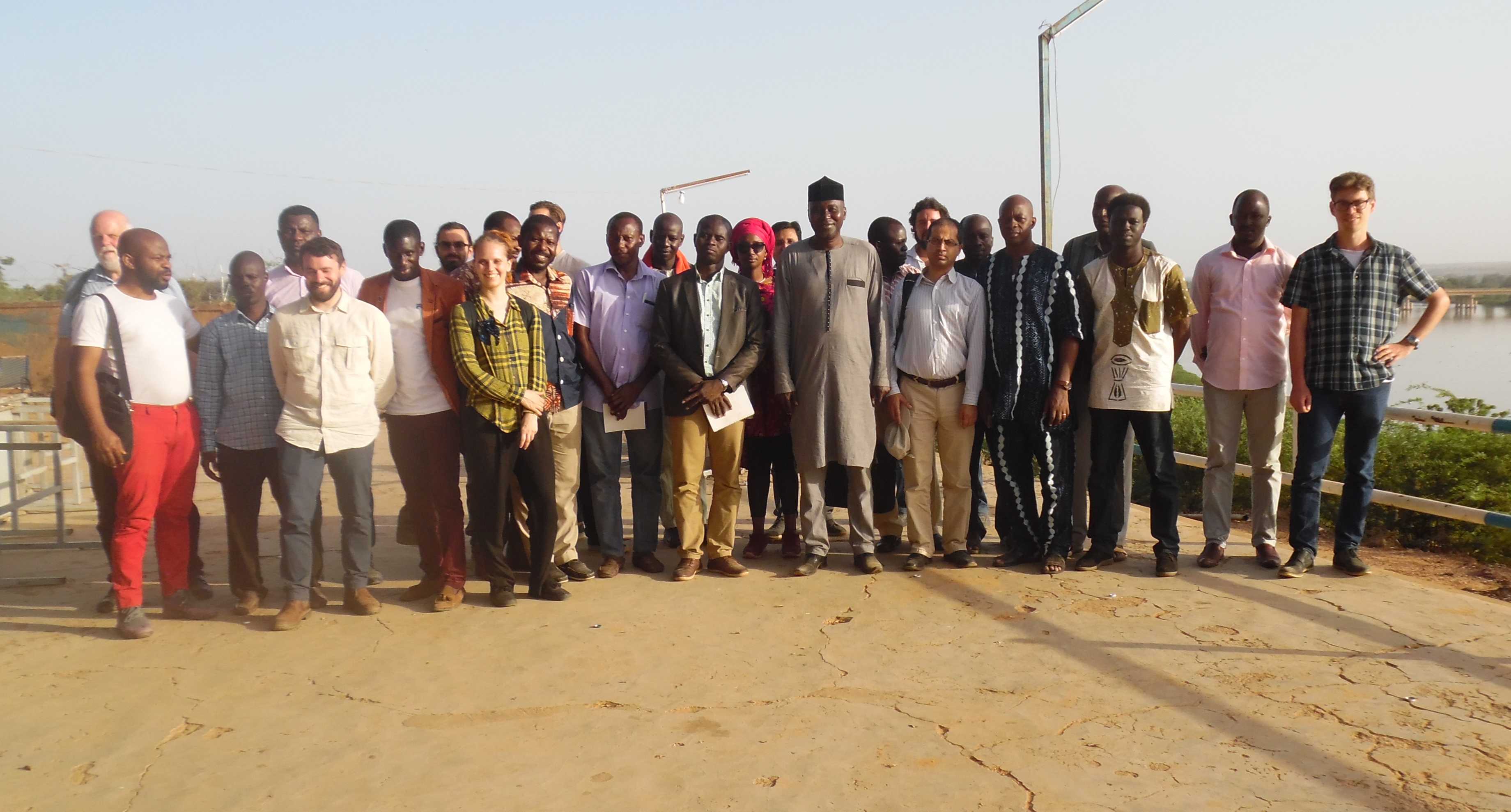
The RARSUS Closing workshop took place from the 4th – 8th November 2019 in Niamey, Niger at the Grand Hotel du Niger.
The RARSUS Closing workshop took place from the 4th – 8th November 2019 in Niamey, Niger at the Grand Hotel du Niger.
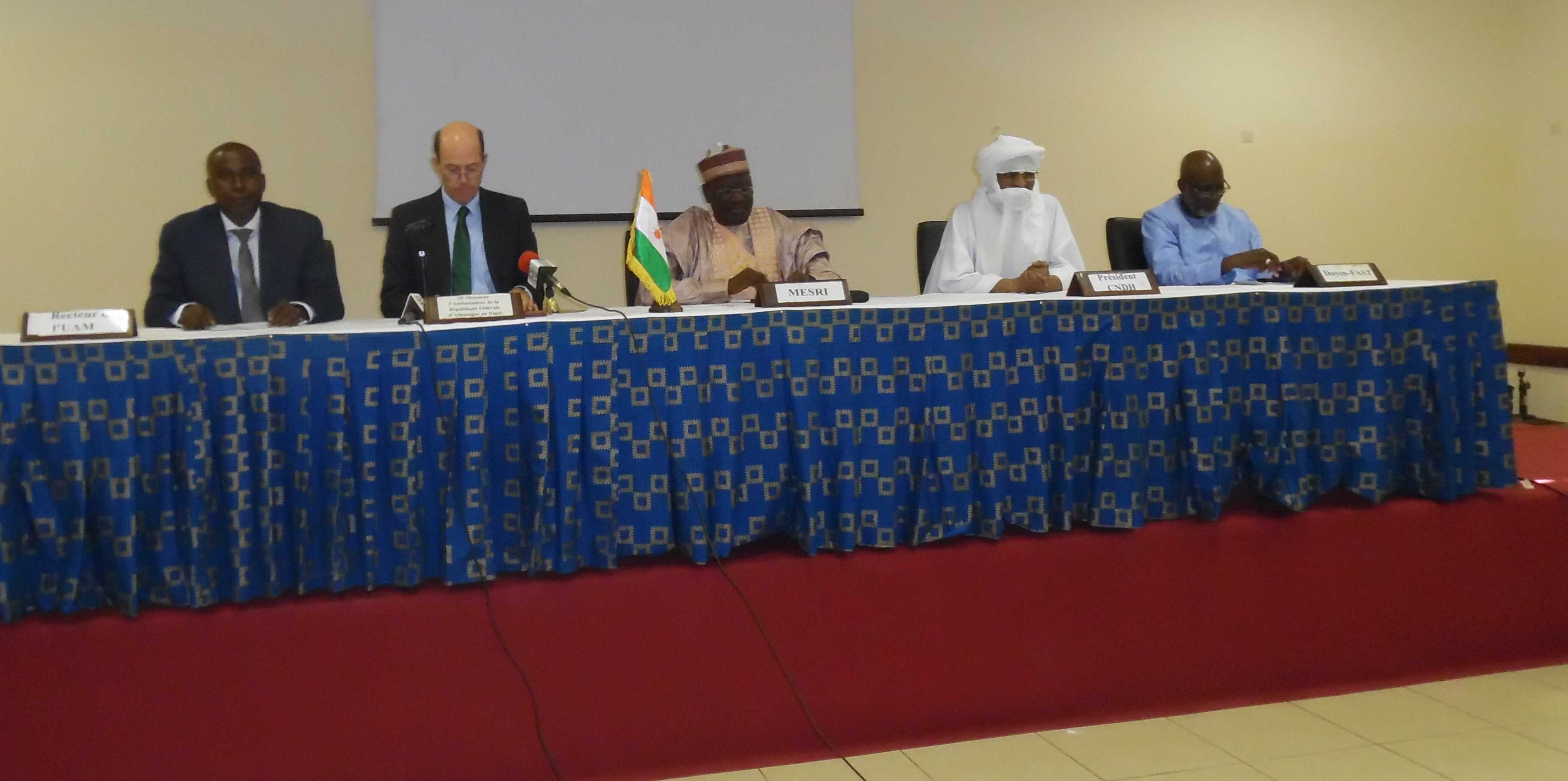
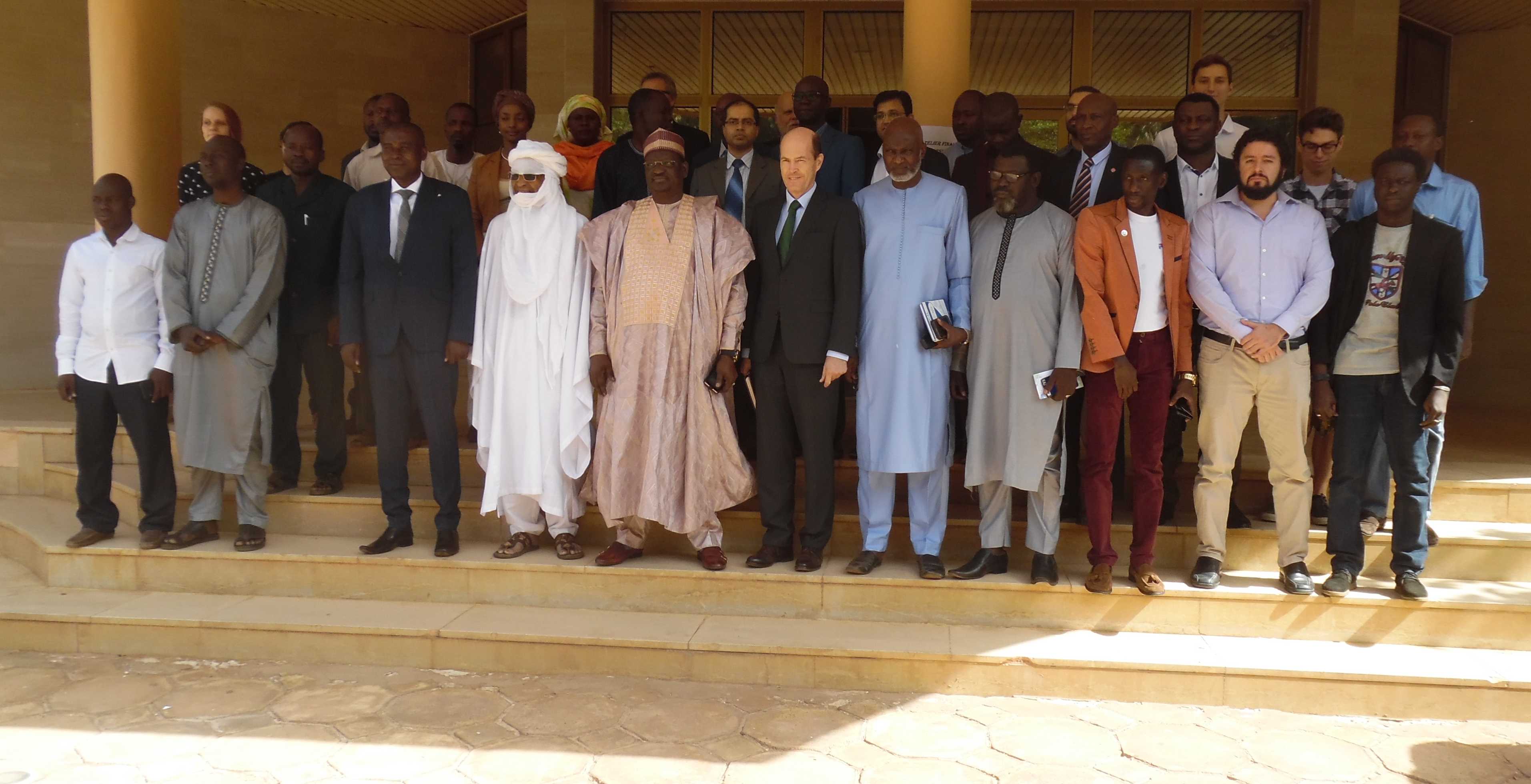
The guests of honour at the opening session were:
President of the National Commission of Human Rights (CNDH);
Minister of Higher Education, Research and Innovation;
Ambassador of the Federal Republic of Germany to Niger;
The representative of the German Ministry of Education and Research (BMBF) (virtually)
High Commissioner to the 3N Initiative.
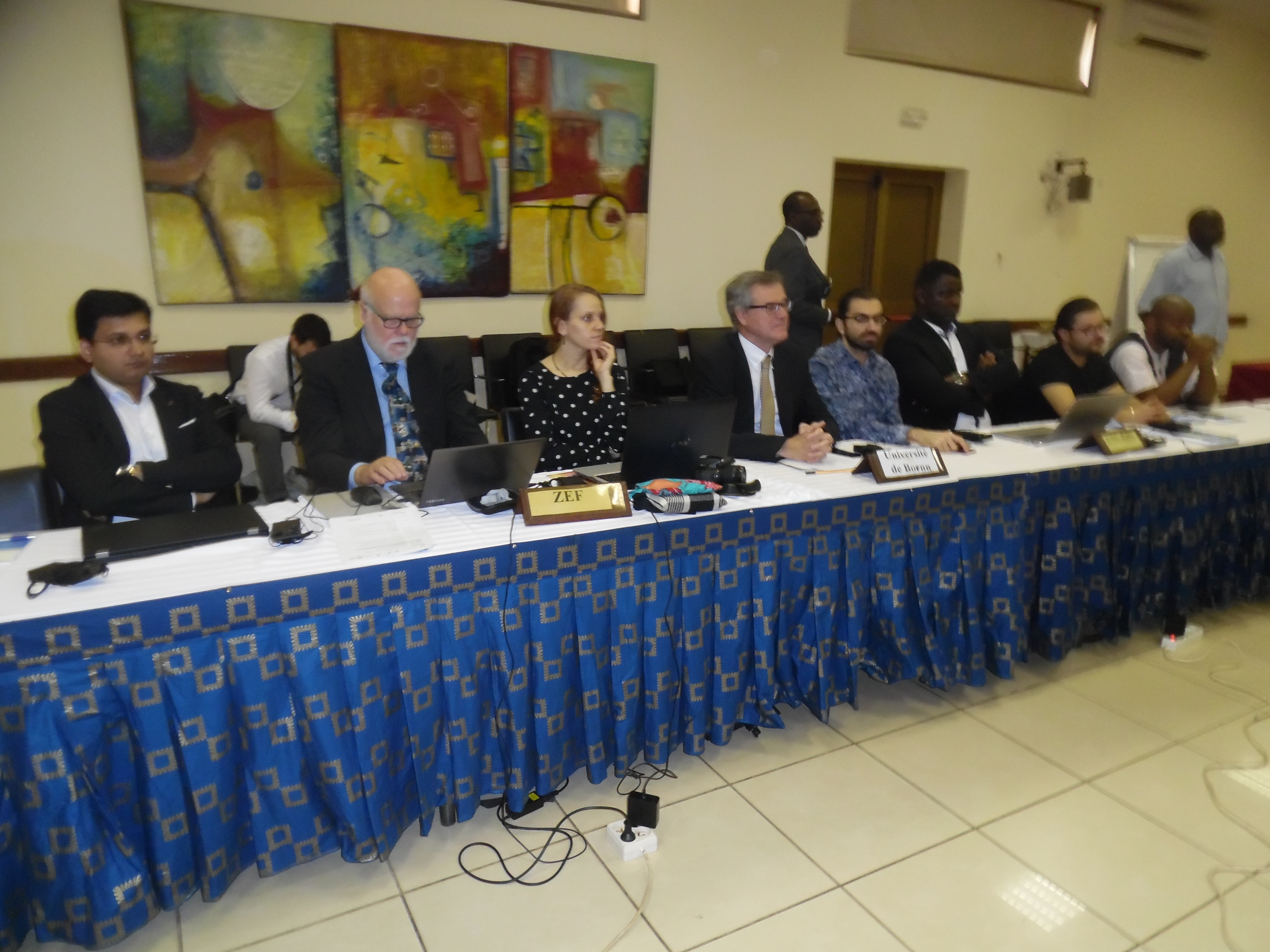
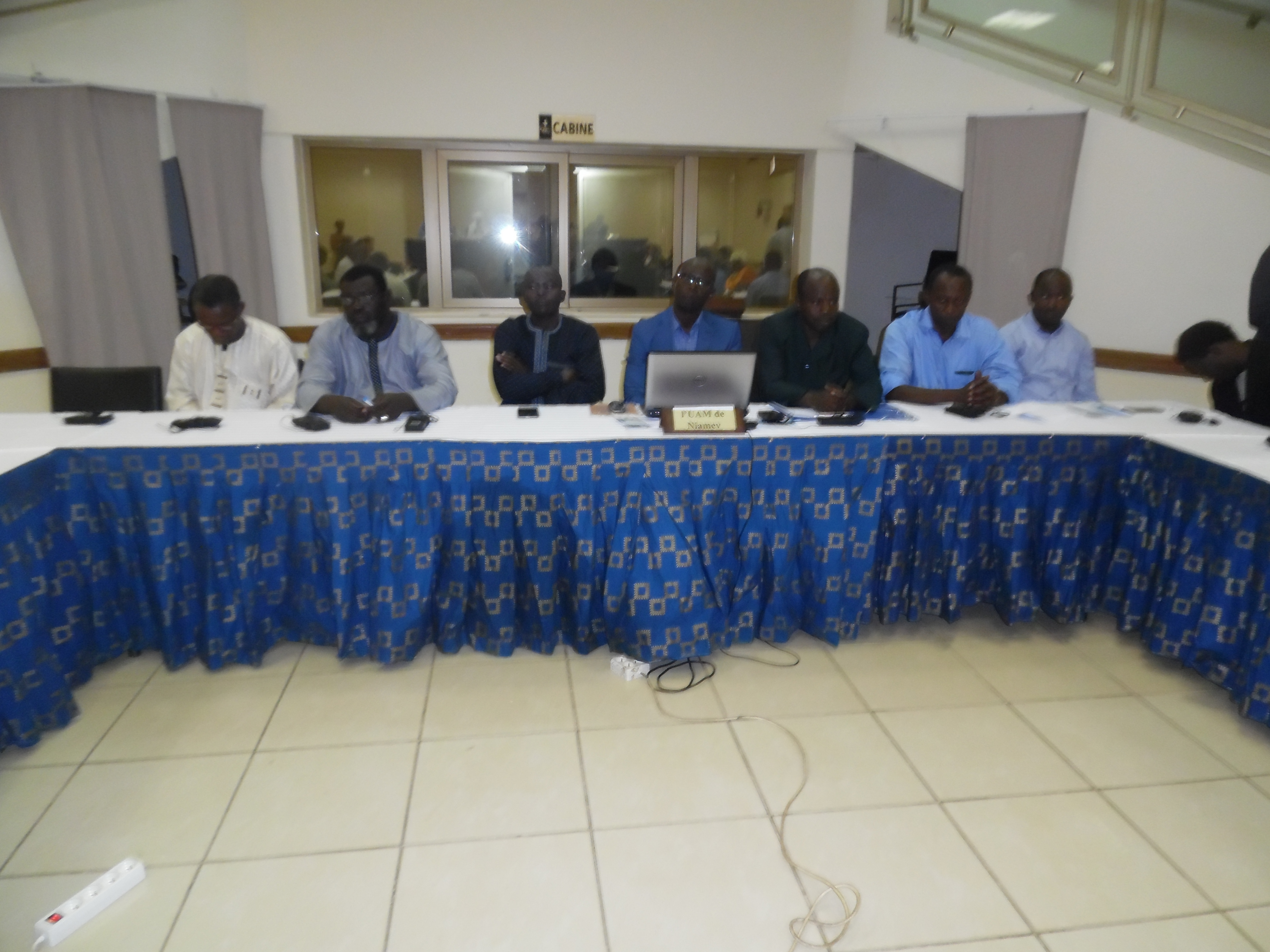
In attendance were deans, directors, professors, research experts and representatives of the consortium of higher education partners:
Th-Koeln Institute for Technology and Resources Management in the Tropics and Subtropics
United Nations University – Institute for Environment and Human Security.
University of Bonn – Centre for Development Research (ZEF)
Pan African University Institute of Water and Energy Sciences (including Climate Change) (PAUWES)
Abdou Moumouni University of Niamey (UAM)
University of Bamako
L’Institut Polytechnique Rural de Formation et de Recherche Appliquée (IPR/IFRA) de Katibougou
The welcome note was delivered by Prof. Rabani Adamou from UAM. He expressed that the RARSUS research project was built on the basis of a preliminary observation of the major challenges facing African urban environments in the context of climate change and variability. In its implementation, special attention has been paid to the water, energy and food security sectors. To fully achieve its objectives, the RARSUS research project was implemented with a dual approach that combines knowledge production with scientific research and capacity building for stakeholders to create the best conditions for sustainability of the solutions found.
The topics dealt with mainly focused on: identification and characterization of the main supply chains related to water, energy and food in the city of Niamey; assessment of the different risks affecting the supply chains; pursuing strategies for risk mitigation and adaptation.
In parallel with the exploitation of research results in the three sectors, a digital learning environment was created and teaching materials and tools developed; all reinforced by north-south mobility and short-term training in both Africa and Germany.
In view of the work conducted in terms of the production of new knowledge the following were achieved:
Clear mapping of supply chains for the three resources (water, energy and food) for the city of Niamey;
An inventory of the main risks that threaten these supply chains and propose adaptation solutions.
Approximately ten master's theses that have been supported and another ten in the process of being written.
Four scientific articles published in international newspapers.
In terms of training and capacity building of actors:
Proven experience in the areas of short-term digital and face-to-face training has been gained and effective teaching materials and tools adapted to our context are developed.
Over a hundred or UAM students and research professors have benefited from high-level training to strengthen their capacities.
Prof Rabani shared that to record results over time and to create a critical mass of skills that can effectively address the issues addressed, a master-level training curriculum on climate change and sustainable urban management was under discussion for validation.
He also said that obtaining the results of the project was made possible thanks to the involvement and the great contribution of the national, regional and international institutions.
Prof. Ramachandra Bhandari from Th-Koeln Institute for Technology and Resources Management in the Tropics and Subtropics delivered a speech as the lead project coordinator. He detailed the progress of the project since its inception. He stated that the collaboration was indeed fruitful and yielded valuable research results that can be used in. The implementation of the RARSUS project in Niger and extension to Mali was thanks to the support from the German Federal Ministry of Education and Research (BMBF) through PT-DLR, and the German Academic Exchange Services.
Prof. Jakob Rhyner, who is currently the coordinator and the Innovation Campus Bonn, and formerly the director of United Nations University - Institute for Environment and Human Security (UNU-EHS) gave a speech showing his appreciation of the development of the project. Prof. Jakob Rhyner was engaged in the project since its inception during his term at UNU-EHS.
Dr. Anja Köhler of Pt-DLR virtually attended the opening session of the closing workshop on behalf of donor, the Federal Ministry of Education and Research (BMBF). She expressed her apologies for not being able to attend the meeting in person as she has other work commitment son the same week. She appreciated the effort by the project partners in delivering the projects. The Federal Ministry of Education and Research (BMBF) through PT-DLR sponsored the RARSUS SEMALI project.
The Ambassador of Germany to Niger delivered a speech and expressed that in the context of climate change and variability, the management of natural resources in urban and peri-urban areas is one of the major challenges facing all regions of the globe. He said the situation is of particular importance on the African continent in general and in West Africa in particular. Indeed, the adaptation of basic urban supply systems, including water, energy and food, is needed to address the risks and impacts caused by climate change and variability, land use dynamics and rapid population growth in Africa and the rest of the world.
He emphasized that to ensure sustainable urban development in the West African region, it is necessary to understand the most exposed elements of urban and peri-urban supply chains, as well as the conditions that can enable an efficient and sustainable supply of populations in sectors as sensitive as water, energy and food in cities like Niamey and Bamako. In order to provide an effective response to scientific questions in the field, the Government of the Federal Republic of Germany, through the Ministry of Education and Research (BMBF), initiated a program of German-African research on sustainable resource provision in cities in sub-Saharan Africa.
The RARSUS research project, beyond activities in the field of research, ensured the capacity building of student masters, doctoral and post-doctoral students and research professors from partner institutions.
It has increased mobility between German and African universities in both directions. Thus, this 3-year project ensured between 2017-2019 an important networking that we hope sustainable between the German and West African institutions. The major results achieved in the research and capacity building sector in West Africa will undoubtedly contribute to the efficient use of natural resources in urban and semi-urban areas in the cities of Niamey and Bamako.
He thanked the Nigerian authorities and those of Abdou Moumouni University for the multifaceted support for all these initiatives which have allowed a new revitalization of scientific cooperation between the two countries.He reiterated the German Government's commitment to further support the Nigerien Government in the fields of training and research.
The Minister of Research and Education of the Republic of Niger delivered a keynote speech. He expressed that the Sahelian country, has for some years been under the adverse effects of climate change and variability. It is therefore urgent for the country to develop and implement effective mitigation measures and appropriate adaptation strategies. Also, in recent decades, the rapid growth of cities in our sub-region imposes new challenges related to the sustainable supply of water, energy and food to urban and peri-urban populations. Hence, knowledge and mastery of the exploitation of water resources, energy and food products is of great importance to African states in general and Niger in particular attach great importance.
Scientific research and technological innovation would help better identify sustainable solutions in the context of climate change and variability. This German-African research initiative and capacity building for sustainable resource provision in sub-Saharan cities is an excellent opportunity for Niger. He commended the German cooperation effort for its multifaceted support to the development efforts in Mali and Niger. He appreciated the strong commitment of German and African universities, for the production of knowledge adapted to the field and the reinforcement of the actors' capacities which have created the conditions for an effective and sustainable handling of the issues dealt with.
This is the place to urge the authorities of Abdou Moumouni University of Niamey to strengthen and perpetuate this frank and fruitful collaboration for a better management of issues related to the sustainable supply of water, energy and food for the city of Niamey and other Niger cities in particular and the sub region in general. In view of the program provided for this meeting and the quality of the participants, he expressed assurance for the quality of the results and recommendations that will result and declare open the activities of the seminar of restitution of the results of the RARSUS research program.
The opening session of the RARSUS closing workshop was moderation and the discussion translation to and from English and French was coordinated by representatives of UNU-EHS.
CSDAC 2019 annual report and commitments for the year 2020
Background
In 2018 West African Center for Sustainable Rural Transformation students who were ten in number founded the Climate and Sustainable Development Action Club (CSDAC) in Niger to champion environmental sustainability practices; and to harness and encourage innovative research and partnerships that will enhance climate change adaptation and mitigation, and sustainable development in rural communities, and to as well create climate change awareness across various African communities beginning from Niger Republic. This report shed light on the different activities carried out by the club in less than one year of existence and one of the main commitments for the year 2020. more...